

The Hidden Material Powering the Energy Revolution
Electrical steel accounts for less than 1% of global steel production, yet it sits at the heart of every transformer, EV motor, and renewable energy system driving the energy transition. This specialized alloy, engineered to minimize energy losses during electromagnetic conversion, has become a strategic bottleneck that most investors and executives overlook. While the steel industry debate centers on decarbonization pathways and overcapacity concerns, a quiet supply crunch is emerging in this niche segment. The disconnect is striking: electrical steel demand is projected to grow at 8-12% annually through 2030, outpacing conventional steel by a factor of five, yet capacity expansions remain limited due to the material’s technical complexity and capital-intensive production requirements. Understanding this overlooked alloy is no longer optional for anyone positioning capital in energy infrastructure, electric mobility, or grid modernization.
What Makes Electrical Steel Different From Commodity Steel
Electrical steel is engineered for a singular purpose: minimizing energy loss during electromagnetic conversion. Unlike commodity steel optimized for structural strength, electrical steel prioritizes magnetic permeability and resistivity through precise silicon alloying, typically between 2% and 4.5% by weight. This silicon content increases electrical resistance, suppressing eddy current losses that would otherwise generate waste heat in transformers and motors. The result is a material that converts electrical energy with exceptional efficiency, a property that translates directly into lower operating costs over decades of service.
The metallurgical distinction becomes most pronounced in grain-oriented electrical steel, where controlled processing aligns the crystalline structure along a single magnetic axis. This deliberate orientation reduces core loss by up to 50% compared to non-oriented grades, making it the preferred material for transformer core construction where flux flows predictably in one direction. Key differentiators include:
- Core loss performance: Premium grades achieve core losses below 0.9 W/kg at 1.7T and 50Hz, compared to 4-6 W/kg for standard structural steel
- Magnetic permeability: Grain-oriented electrical steel delivers permeability exceeding 30,000 H/m, enabling compact transformer designs
- Thickness precision: Rolled to tolerances of 0.23mm to 0.35mm to optimize the balance between manufacturing efficiency and eddy current suppression
- Surface insulation: Specialized coatings prevent inter-laminar current flow while maintaining thermal conductivity
For a 500 MVA transformer, the difference between commodity and premium grain-oriented electrical steel represents approximately $200,000 in energy savings annually at current electricity rates. In EV traction motors, non-oriented electrical steel grades with silicon content near 3% enable higher rotational speeds and torque density, directly influencing vehicle range and performance. The premium pricing of electrical steel, typically 60% to 120% above hot-rolled coil benchmarks, reflects not just specialized production capabilities but quantifiable operational value across multi-decade asset lifecycles.
 Grain-Oriented vs Non-Oriented: Strategic Applications and Trade-Offs
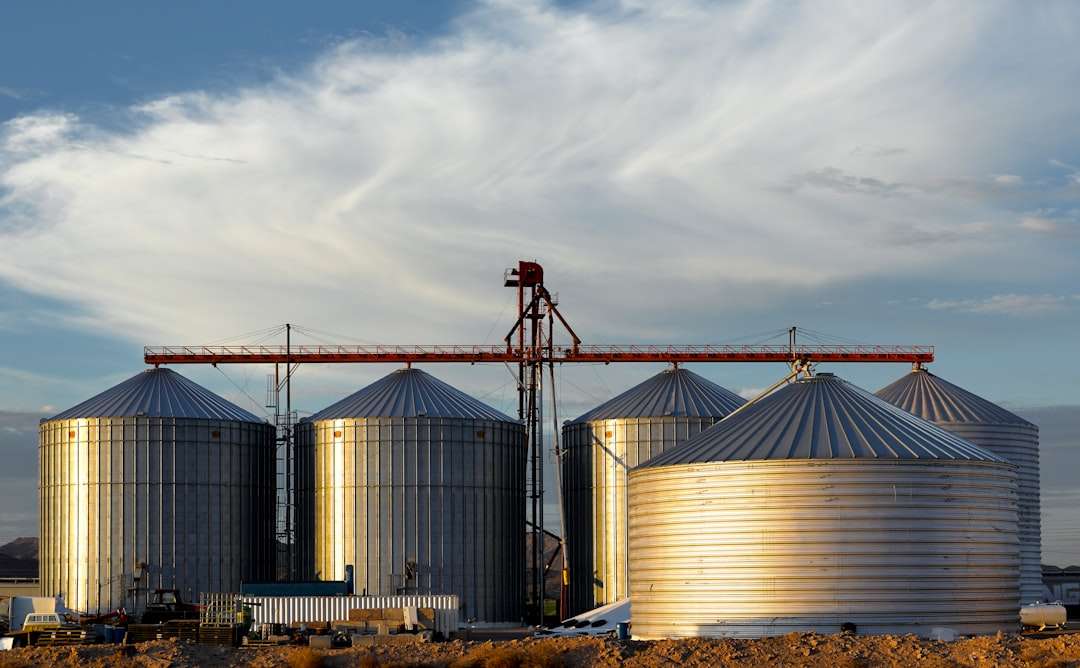
The electrical steel market divides sharply into two categories with fundamentally different production economics and application profiles. Grain-oriented electrical steel (GOES) commands premium pricing, typically 30 to 50 percent above non-oriented grades, justified by its directional magnetic properties that reduce core losses in transformers by up to 40 percent compared to non-oriented alternatives. This directional efficiency makes GOES the dominant choice for power transformers and distribution transformers, where magnetic flux follows a consistent path and energy efficiency translates directly into operational savings over decades of grid service.
Non-oriented electrical steel serves rotating equipment including EV motors, industrial motors, and generators, applications where magnetic flux constantly changes direction and requires isotropic magnetic properties. While non-oriented grades sacrifice peak efficiency in any single direction, their lower production costs and adequate performance in multidirectional applications make them the economical choice for high-volume manufacturing. The EV motor market alone is driving unprecedented demand growth for non-oriented grades, with motor lamination requirements rising faster than grid infrastructure needs. Suppliers face a strategic choice: invest in the capital-intensive GOES production that serves stable transformer demand, or scale non-oriented capacity to capture the higher-growth but more competitive EV and industrial motor segments.
Electrical Steel Specifications and Performance Benchmarks
Understanding the technical specifications of electrical steel grades is critical for procurement decisions and supply chain strategy. The table below compares key performance metrics across major grade classifications, including silicon content, core loss characteristics, and cost premiums relative to commodity hot-rolled coil benchmarks.
| Grade Classification | Silicon Content (%) | Core Loss (W/kg at 1.5T, 50Hz) | Primary Applications | Cost Premium vs. HRC |
|---|---|---|---|---|
| Non-Oriented (M-series) | 2.0-3.5% | 2.5-6.0 | EV motors, industrial motors, generators | +40-80% |
| Conventional Grain-Oriented | 3.0-3.5% | 0.9-1.3 | Distribution transformers, power transmission | +120-180% |
| High-Permeability Grain-Oriented | 3.0-3.5% | 0.7-0.9 | Large power transformers, grid infrastructure | +200-300% |
The cost premiums reflect both technical complexity and strategic value. High-permeability grain-oriented grades command multiples of commodity steel prices due to specialized production processes and their role in reducing transmission losses across electrical grids. For energy infrastructure investors, these premiums translate directly into operational efficiency gains, with transformer core losses representing 20-30% of total system losses in grid networks.
 Grid Expansion and Transformer Steel Demand Fundamentals
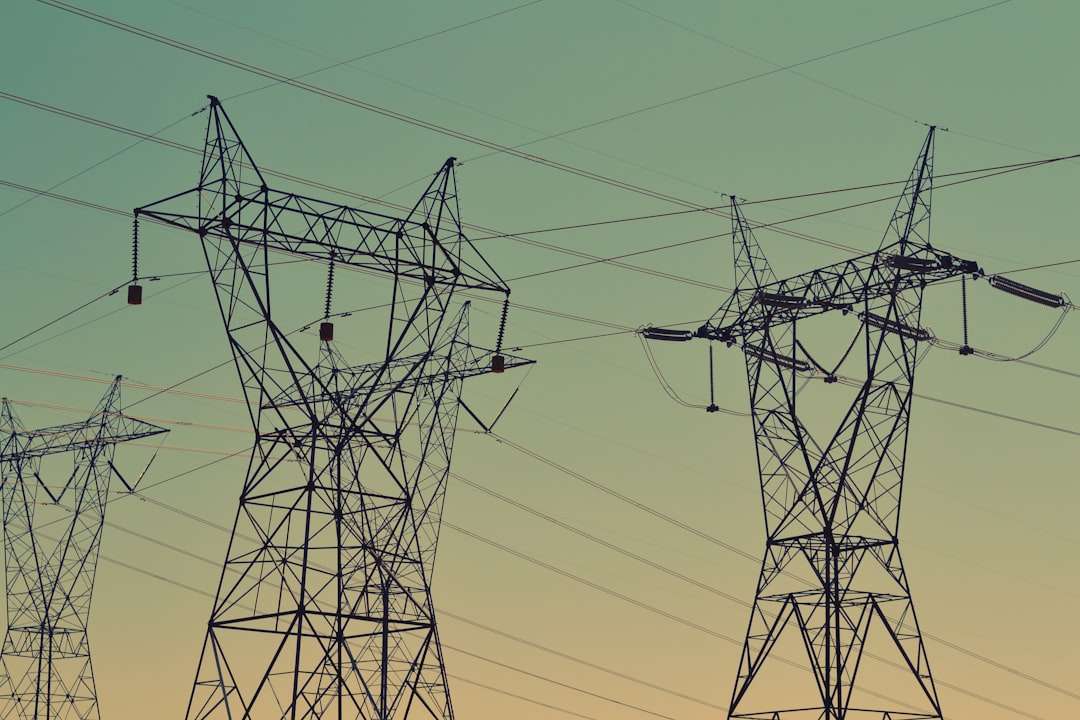
The transmission infrastructure bottleneck facing renewable energy integration has become a defining constraint for decarbonization targets worldwide. Every gigawatt of offshore wind or utility-scale solar requires not just generation capacity but robust grid connections capable of managing intermittent power flows across increasingly distributed networks. This buildout translates directly into transformer demand, and transformers cannot function without grain-oriented electrical steel (GOES), the specialized alloy that accounts for 30-40% of a transformer’s material cost.
The tonnage mathematics are straightforward but consequential. A typical large power transformer (300-500 MVA capacity) requires approximately 80-120 tonnes of GOES. Grid-scale renewable projects demand step-up transformers at generation sites plus substation transformers for voltage regulation, creating a multiplier effect. Industry analysis suggests that each gigawatt of renewable capacity addition drives demand for roughly 200-300 tonnes of transformer steel when accounting for full transmission infrastructure. With the International Energy Agency projecting global grid investment needs exceeding $600 billion annually through 2030, structural demand for GOES intensifies considerably.
Key demand drivers shaping the transformer steel market include:
- HVDC transmission corridors: Long-distance renewable power transport from remote generation sites requires converter stations with specialized transformer configurations, each consuming 150-250 tonnes of GOES per major installation.
- Grid modernization in developed markets: Aging transformer fleets in North America and Europe face replacement cycles, with approximately 40% of US transmission transformers exceeding 40-year service lives.
- Electrification in emerging economies: India and Southeast Asia present the fastest-growing markets, with grid expansion rates outpacing renewable additions as baseline infrastructure catches up to industrialization.
- Supply concentration risk: Just five producers (Baosteel, NLMK, JFE Steel, AK Steel, and ThyssenKrupp) control over 75% of global GOES capacity, creating pricing leverage and delivery constraints that transmission planners consistently underestimate.
This supply oligopoly intersects poorly with the urgent timelines facing grid operators. Lead times for high-grade GOES have stretched from 6-9 months pre-pandemic to 12-18 months currently, and producers show limited appetite for capacity expansion given the capital intensity and technical barriers to entry. The transformer steel bottleneck represents a tangible execution risk for energy transition targets, yet it receives far less attention than lithium or copper constraints. Monitoring steel industry trends in specialty grades like GOES offers leading indicators for grid infrastructure feasibility that energy investors frequently overlook.
EV Motor Steel: Demand Growth Beyond the Hype
The electric vehicle narrative has inflated expectations for non-oriented electrical steel demand, but the reality is more nuanced than most forecasts suggest. A typical EV traction motor consumes between 15 and 25 kilograms of non-oriented electrical steel, depending on motor design and vehicle segment. At projected 2030 EV production volumes of approximately 30 million units annually, this translates to roughly 450,000 to 750,000 tonnes of incremental non-oriented electrical steel demand. While substantial, this represents only 3 to 5 percent of current global electrical steel capacity, hardly the transformational surge that equity analysts have priced into automotive steel suppliers.
The competitive landscape is tightening as major automotive OEMs recognize the strategic importance of securing stable electrical steel supply. Toyota, Volkswagen, and Tesla have each pursued different strategies, ranging from long-term offtake agreements with specialized mills to backward integration into motor core production. This vertical integration pressure creates margin compression risk for independent electrical steel producers who lack either technical differentiation or geographic proximity to major EV manufacturing hubs. The Chinese EV supply chain has particularly disrupted pricing dynamics, with domestic producers offering non-oriented grades at 15 to 20 percent discounts to Japanese and European competitors, forcing a recalibration of global supply arrangements.
 Supply Constraints and Producer Concentration Risks
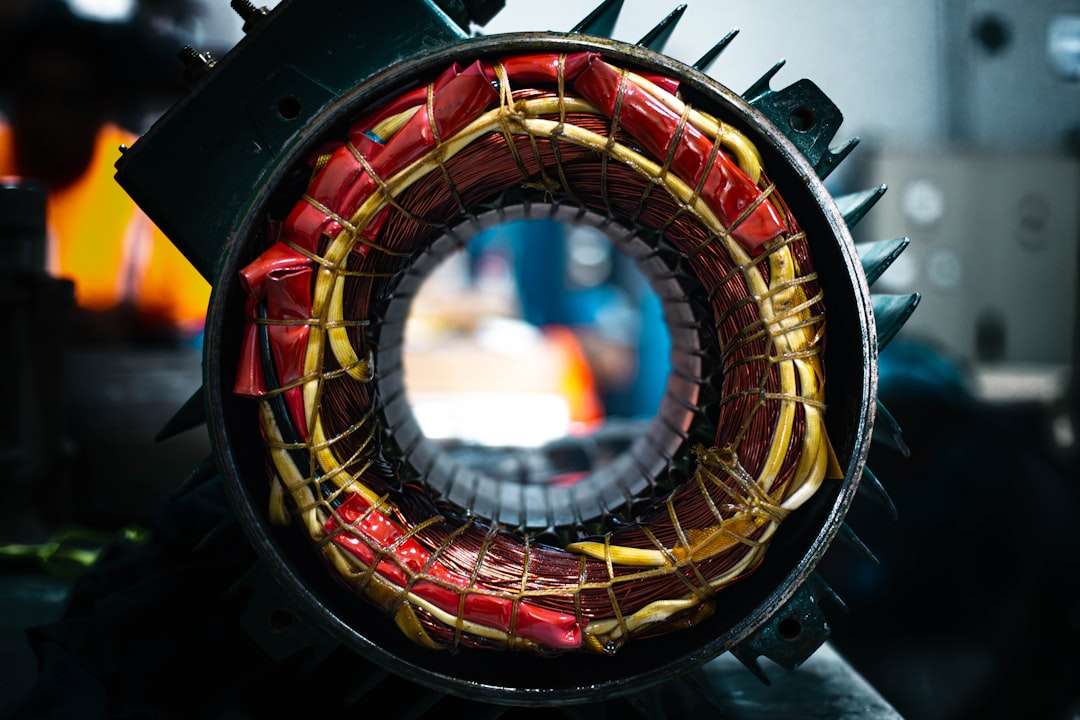
The global electrical steel market remains one of the most concentrated in the entire ferrous complex, with fewer than 15 facilities worldwide capable of producing high-grade grain-oriented electrical steel at scale. The barriers to entry are formidable. Specialized cold-rolling mills require capital investments exceeding $500 million and operate within tolerances measured in microns, while proprietary coating technologies that reduce core loss remain closely guarded trade secrets. This technical moat ensures that legacy producers like Nippon Steel, Baosteel, and ArcelorMittal maintain structural advantages that new entrants cannot easily replicate.
Capacity additions consistently lag demand growth by 18 to 24 months, creating persistent tightness in spot markets even as automotive OEMs and grid operators scramble to secure transformer steel and EV motor steel. electrical steel capacity This supply-demand imbalance translates directly into pricing power for incumbents, with premium-grade grain-oriented electrical steel commanding price premiums of 40% to 60% over commodity hot-rolled coil. For strategic buyers evaluating exposure to energy transition metals, the calculus increasingly favors either vertical integration into captive production or locking in multi-year offtake agreements at fixed spreads. A comprehensive steel value chain analysis reveals that securing upstream electrical steel capacity delivers more predictable margin protection than relying on volatile spot markets during infrastructure buildouts.
Geographic Imbalances: Where Production and Consumption Diverge
The global electrical steel market exhibits a profound geographic mismatch that creates both strategic vulnerabilities and investment opportunities. China controls approximately 45% of worldwide grain-oriented electrical steel capacity, followed by Japan and South Korea with a combined 25%. European mills, primarily in Germany and Russia, account for another 15%. Meanwhile, North America produces less than 8% of global supply despite representing a disproportionate share of grid modernization and EV manufacturing ambitions.
This imbalance forces Western renewable developers and automotive manufacturers into precarious supply chains. transformer steel imports from Asia face tariff exposure ranging from 10% to 25% depending on product classification and country of origin. Lead times for grain-oriented electrical steel now exceed 40 weeks for non-domestic orders, creating project delays in wind farm construction and utility transformer upgrades. The strategic rationale for localized capacity is compelling: Cleveland-Cliffs and Nucor have both announced feasibility studies for dedicated transformer steel lines, recognizing that energy security increasingly demands materials sovereignty. Europe faces similar pressures, with automotive OEMs pushing for regional EV motor steel production to derisk battery electric vehicle ramp schedules.
 Investment and M&A Implications in the Electrical Steel Segment
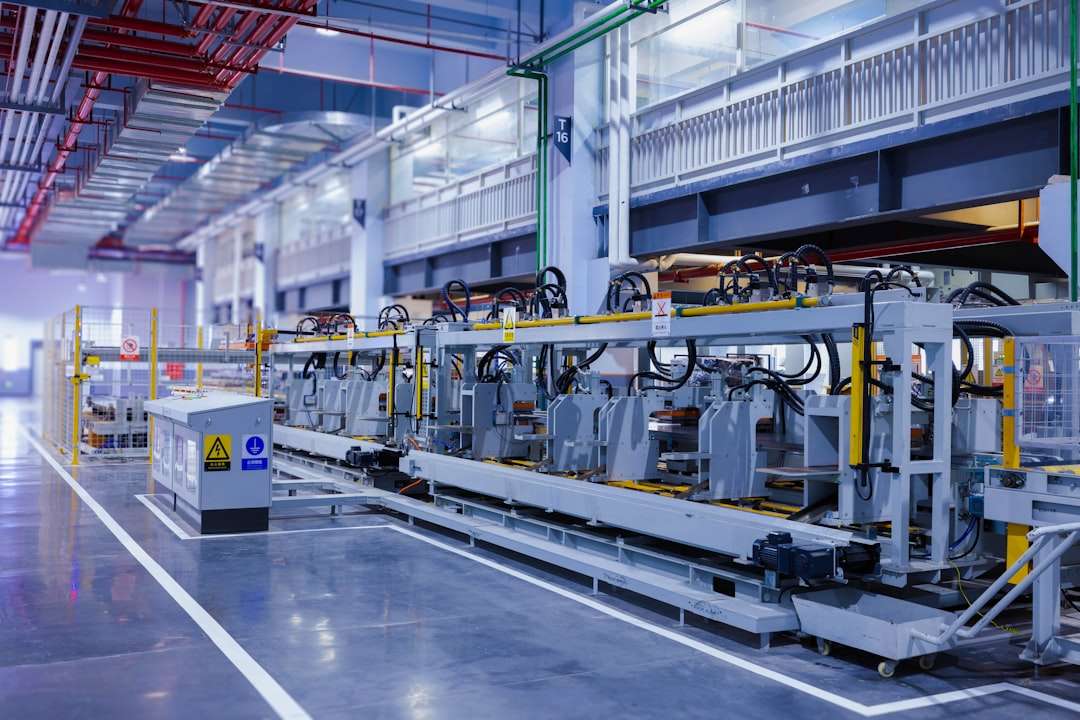
Electrical steel assets command substantial valuation premiums over commodity flat-rolled operations, driven by structural revenue quality and margin resilience. Unlike hot-rolled coil producers cycling through commodity price swings, grain-oriented electrical steel manufacturers typically secure multi-year supply agreements with transformer OEMs at stable pricing structures indexed to processing complexity rather than scrap costs. This revenue predictability justifies EBITDA multiples 30-40% higher than commodity steel peers in recent transactions, a premium validated by Cleveland-Cliffs’ 2022 acquisition of electrical steel capacity through its AK Steel integration.
Capital intensity remains the critical valuation headwind. Greenfield grain-oriented electrical steel capacity requires approximately $800-1,200 per ton of investment versus $400-600 per ton for conventional cold-rolled facilities, driven by specialized annealing lines and coating equipment. This barrier to entry protects incumbent margins but complicates expansion economics for acquirers. Strategic positioning now favors targets with unutilized non-oriented capacity convertible to EV motor steel applications, where demand projections suggest 15-18% annual growth through 2030. Comprehensive steel M&A due diligence must quantify not just current throughput but optionality to pivot capacity toward higher-margin transformer steel and EV motor grades as grid infrastructure and electrification mandates accelerate.
Common Questions About Electrical Steel Markets
1. Why can’t commodity steel producers easily switch to electrical steel?
Producing grain-oriented electrical steel requires specialized equipment, precision rolling mills, and proprietary coating technologies that commodity mills lack. The capital investment to retrofit existing lines exceeds $300 million, and achieving consistent magnetic properties demands metallurgical expertise accumulated over decades. Most flat-rolled producers cannot justify this investment given the segment’s limited volume compared to structural steel.
2. How do energy efficiency regulations affect demand?
Stricter efficiency mandates directly increase electrical steel consumption per unit. Transformer regulations like the U.S. DOE standards and EU Tier 2 requirements force manufacturers to use thinner, higher-grade material to reduce core losses. This regulatory pressure has shifted 40% of the transformer market toward premium grades since 2020, creating persistent demand growth even as unit shipments plateau.
3. What differentiates premium-grade from standard electrical steel in cost-benefit terms?
Premium grades deliver 20-30% lower core losses but cost 50-80% more per ton. For large power transformers operating continuously, the energy savings repay the material premium within 18-24 months. Standard grades remain economical for smaller distribution transformers with lower utilization rates where upfront cost dominates lifecycle economics.
4. Are there substitution risks from alternative motor or transformer technologies?
Solid-state transformers and amorphous metal cores target niche applications but face cost and durability barriers. Silicon steel’s combination of magnetic performance, mechanical strength, and thermal stability remains unmatched for mainstream applications. Electric vehicle motors theoretically could adopt ferrite magnets, but performance compromises make this viable only in ultra-budget segments where electrical steel already captures minimal margin.
Strategic Positioning for the Electrical Steel Opportunity
Electrical steel represents a rare convergence point where energy policy mandates, industrial decarbonization targets, and vehicle electrification timelines align to create structural demand growth. Unlike commodity long products vulnerable to cyclical construction exposure, grain-oriented electrical steel for transformer cores and non-oriented grades for EV motor stacks face supply constraints at precisely the moment grid modernization and renewable integration require unprecedented volumes. Investors and executives who recognize this material’s position within critical energy infrastructure, rather than viewing it as a niche specialty product, gain asymmetric positioning as utilities triple grid investment through 2030 and automakers commit to electric platforms. For strategic guidance on electrical steel market entry, M&A target evaluation, or procurement strategy refinement, contact our team at id-steel.com/contact.