
Why Most Steel M&A Failures Happen Before the Ink Dries
Here’s the uncomfortable truth about steel M&A due diligence: while buyers meticulously scrutinize EBITDA multiples and balance sheets, the deals most likely to implode are quietly incubating operational landmines that won’t detonate until months after closing. A corroded blast furnace lining that the seller knew would fail within six months. Environmental liabilities buried in decades-old slag heaps. Labor agreements with pension obligations that dwarf the disclosed numbers. These aren’t edge cases—they’re the primary reasons steel acquisitions hemorrhage value in year one.
The paradox is striking. In an era of unprecedented steel industry consolidation, with private equity and strategic buyers competing aggressively for assets, most due diligence teams still allocate 70% of their time to financial modeling while relegating operational and asset risk assessment to a perfunctory site visit and some aging engineering reports. Research shows that operational shortcomings account for the majority of post-merger value destruction, yet they remain the most consistently underestimated risk category in steel transactions. This article examines where steel M&A deals actually break down—and how sophisticated buyers are shifting their focus to the operational realities that determine whether an acquisition creates or destroys value.
The Gap Between Financial and Operational Due Diligence
In most M&A transactions, due diligence follows a predictable hierarchy. Financial advisors scrutinize EBITDA multiples, debt covenants, and working capital adjustments. Legal teams parse representations and warranties. Commercial analysts validate customer contracts and revenue projections. This framework has served dealmakers well across industries, but it carries a dangerous assumption: that operational performance can be reliably inferred from financial statements.
The problem intensifies in capital-intensive industries like steel manufacturing, where valuation challenges unique to steel stem from the physical condition of assets that don’t appear on balance sheets until they fail. A blast furnace operating at 85% of rated capacity might generate acceptable cash flow today, but if refractory degradation goes undetected, the buyer inherits a $50 million reline obligation within eighteen months. Traditional steel M&A due diligence processes treat these operational realities as confirmatory rather than determinative, often relegating asset condition assessments to optional “Phase II” reviews that occur after deal terms are negotiated.
This imbalance exists because financial and legal risks can be quantified, negotiated, and insured through established mechanisms. Operational risks in steel—metallurgical process variability, hidden maintenance deferrals, environmental compliance gaps—resist such tidy categorization. According to SEC guidance on asset impairment, companies must evaluate long-lived assets for recoverability, yet acquiring parties routinely accept seller representations about equipment condition without independent technical verification. The result is a systematic underweighting of the very factors that determine whether steel assets can actually deliver their projected returns.
 Asset Condition Risk: The Hidden Balance Sheet
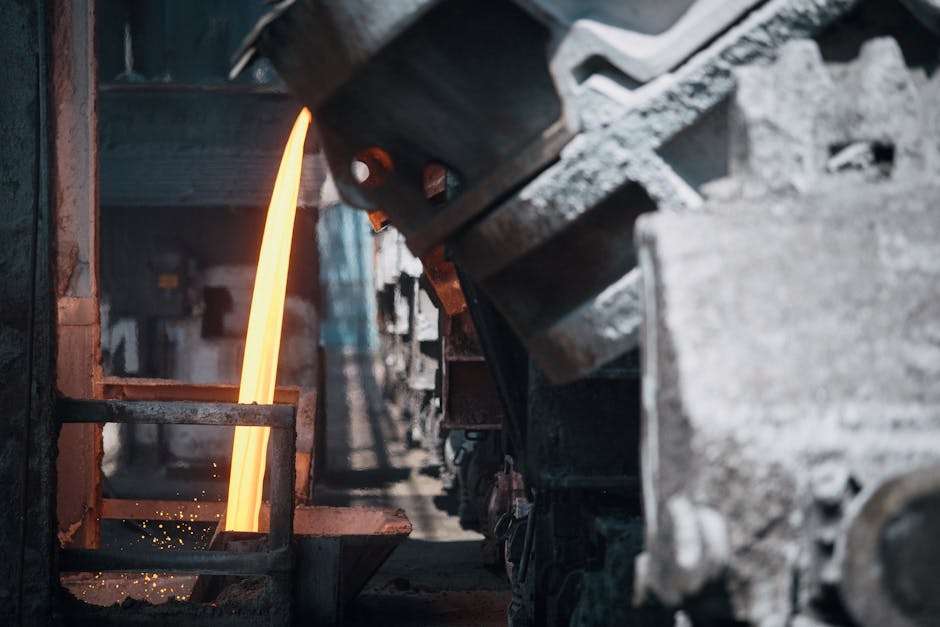
Steel production assets deteriorate in ways that standard financial statements never capture. While balance sheets list property, plant, and equipment at historical cost minus depreciation, they reveal nothing about blast furnace refractory conditions, rolling mill bearing wear, or the increasingly fragile state of automation systems running on obsolete software. These operational realities create material risks during steel M&A due diligence that buyers routinely underestimate until they’re facing unplanned shutdowns and emergency capital calls.
The disconnect between book value and operational reality becomes especially pronounced in facilities built during previous investment cycles. A production line carried at $50 million on the books might require $30 million in immediate upgrades to maintain output, while another asset listed at the same value could run reliably for years. According to IMF research on industrial asset valuation, deferred maintenance liabilities in capital-intensive industries frequently exceed 15-20% of stated asset values, creating substantial post-acquisition surprises.
Buyers conducting operational strategy reviews must look beyond depreciation schedules to understand true asset condition. Critical red flags that signal material capex requirements include:
- Electric arc furnace electrode consumption rates exceeding industry benchmarks by more than 10%
- Rolling mill downtime logs showing increasing frequency of bearing replacements or hydraulic failures
- Continuous casting equipment operating beyond manufacturer-recommended rebuild intervals
- Pollution control systems nearing end-of-life with pending regulatory upgrades required
- SCADA and automation systems running on unsupported software versions vulnerable to cybersecurity risks
These asset condition issues don’t just inflate post-acquisition capex requirements—they fundamentally impact operational viability. A facility operating aging equipment typically runs at reduced throughput, generates higher scrap rates, and faces unpredictable production interruptions that damage customer relationships. Smart buyers build detailed asset registries during diligence, commission independent engineering assessments, and create 36-month capital roadmaps that reflect actual equipment condition rather than accounting fiction.
Process Capability vs. Market Requirements
The most expensive lesson in steel M&A due diligence comes when buyers discover—too late—that a facility’s technical capabilities bear little resemblance to what the seller’s marketing materials promised. A mill may claim capacity to produce high-strength automotive grades, but operational reality reveals equipment limitations, inconsistent metallurgical control, or yield rates that make such production economically unviable. This disconnect between claimed capability and actual performance represents one of the most common deal-killers in steel transactions, yet it’s frequently overlooked by financial buyers who lack the technical expertise to properly evaluate operational constraints.
Product mix constraints expose themselves through multiple operational dimensions. Rolling mill configuration may physically prevent certain gauge ranges. Heat treatment capabilities might limit the achievable mechanical properties. Chemistry control systems may lack the precision required for tight specification products. These aren’t abstract technical details—they directly impact where value is actually created in the steel value chain. According to SEC filings from major steel producers, product mix shifts of just 10-15% can swing EBITDA margins by 300-500 basis points, making capability assessment critical to valuation accuracy.
Quality consistency issues emerge from process stability analysis that goes far beyond reviewing test certificates. True operational due diligence steel requires examining statistical process control data, understanding variation sources, and assessing whether quality systems can consistently meet customer specifications. Yield performance tells an equally revealing story—claimed yields of 92% may mask batch-to-batch volatility, excessive downgrading, or rework rates that erode profitability. This is precisely why operational due diligence in steel demands metallurgists and process engineers alongside financial analysts, not as optional consultants but as core team members who can translate technical realities into deal economics.
 Labor and Operational Knowledge Transfer Failures
Steel M&A due diligence routinely underprices the single most critical operational asset: the people who actually run the facility. When a veteran furnace operator with 25 years of tribal knowledge walks out the door post-acquisition, they take with them an irreplaceable understanding of equipment quirks, process optimization shortcuts, and troubleshooting instincts that no manual documents. These key person dependencies represent a material operational risk that rarely surfaces in financial models until production rates decline or quality issues emerge months after closing.
The problem intensifies in unionized facilities, where labor relations complexities directly impact cost structures and operational flexibility. Change-of-control provisions, pension obligations, and collective bargaining agreement nuances can fundamentally alter the economics of a deal. According to research published in Harvard Business Review, workforce integration challenges contribute to value destruction in nearly 50% of manufacturing acquisitions, yet buyers consistently allocate insufficient resources to understanding these dynamics during operational due diligence steel reviews.
Beyond formal labor agreements, the informal knowledge networks that enable efficient production are equally fragile. Maintenance schedules optimized through decades of experience, supplier relationship nuances, and cross-functional coordination protocols exist primarily in the minds of mid-level managers and floor supervisors. When acquisition-driven turnover disrupts these networks, the resulting production volatility and cost overruns can quickly erode projected synergies and expose asset risk that traditional financial analysis completely misses.
Where Due Diligence Focus Should Be vs. Where It Actually Is
A striking disconnect exists in steel M&A due diligence: buyers allocate resources where they feel comfortable, not where deals actually break down. Financial and legal reviews consume the lion’s share of time and budget, yet operational and technical failures drive most post-acquisition value destruction. This misalignment between effort and risk creates blind spots that sophisticated buyers can’t afford, particularly when evaluating aging assets or complex manufacturing processes that define steel operations.
| Due Diligence Category | Typical Resource Allocation | Actual Deal Failure Rate | Gap Analysis |
|---|---|---|---|
| Financial Review | 35-40% | 15% | Over-resourced |
| Legal & Compliance | 25-30% | 10% | Over-resourced |
| Commercial Assessment | 15-20% | 20% | Adequately resourced |
| Operational/Technical | 10-15% | 35% | Critically under-resourced |
| Environmental/Regulatory | 5-10% | 20% | Significantly under-resourced |
The data reveals a troubling pattern: operational and technical issues account for 35% of steel deal failures yet receive only 10-15% of due diligence resources. This gap leaves buyers vulnerable to hidden maintenance backlogs, equipment obsolescence, and production inefficiencies that surface only after closing. Research from Harvard Business Review confirms that operational due diligence shortfalls are among the primary drivers of M&A value destruction across manufacturing sectors, with steel’s capital-intensive nature amplifying these risks exponentially.
 Input Cost Structure and Supply Chain Vulnerabilities
In steel M&A due diligence, few areas conceal more operational risk than the target’s input cost structure and supply chain dependencies. A steel producer’s profitability hinges on its raw material sourcing strategy—whether iron ore, scrap metal, coking coal, or ferroalloys—and the contractual mechanisms that govern pricing. Companies heavily exposed to spot market pricing face extreme margin volatility, particularly during commodity price spikes, while those locked into long-term contracts may sacrifice flexibility when market prices decline. Global commodity price fluctuations can dramatically alter a deal’s projected returns within months of closing.
Supplier concentration represents another critical vulnerability often underestimated in steel M&A due diligence. When a mill depends on one or two suppliers for critical inputs, any disruption—geopolitical instability, transportation bottlenecks, or supplier financial distress—can halt production entirely. Energy cost structures demand equal scrutiny, as electricity and natural gas often constitute 15-20% of production costs. Mills with captive power generation or favorable long-term utility contracts enjoy competitive advantages that may not transfer post-acquisition if agreements contain change-of-control provisions.
Logistics infrastructure constraints frequently emerge as deal-breakers during operational due diligence steel teams conduct post-LOI. Rail access, port proximity, and transportation contract terms directly impact delivered cost competitiveness. A facility that appears efficient in isolation may prove uncompetitive when economies of scale considerations reveal its inability to source materials cost-effectively or distribute finished products to key markets without prohibitive freight premiums.
Environmental and Regulatory Asset Risk
Environmental liabilities represent one of the most underestimated value destroyers in steel M&A due diligence. Acquirers frequently discover post-close that historical contamination, inadequate emission controls, and pending regulatory violations create obligations exceeding initial asset valuations by 15-30%. Legacy steelmaking facilities often carry decades of soil contamination, groundwater pollution, and hazardous waste disposal issues that weren’t properly quantified during the transaction process.
The accelerating global momentum toward carbon pricing and stricter emission standards has fundamentally altered asset obsolescence timelines in the steel sector. Blast furnace operations without viable decarbonization pathways now face compressed economic lives, with some facilities requiring $200-500 million in capital investment to comply with 2030 emission targets. These decarbonization obligations transform what appeared to be productive assets into stranded capital requiring immediate retrofit decisions.
Regulatory compliance gaps create cascading risks that extend well beyond fines and penalties. Facilities operating under consent decrees or with expired environmental permits face operational restrictions that directly impact production capacity and customer commitments. Buyers must rigorously assess whether current operations align with structural industry trends toward cleaner production, or whether acquired assets represent technological dead ends requiring wholesale replacement rather than incremental improvement.
Common Questions About Steel M&A Due Diligence
What makes operational due diligence different in steel vs other industries?
Steel M&A due diligence requires deep technical expertise in metallurgy, furnace operations, and continuous casting systems that most generalist advisors lack. Unlike software or retail acquisitions, you’re evaluating assets with 20-30 year lifecycles where deferred maintenance can represent tens of millions in hidden liabilities. The specialized nature of equipment—from blast furnaces to rolling mills—means operational risks are both capital-intensive and technically complex to assess.
How long should proper technical due diligence take?
Comprehensive operational due diligence for a steel asset typically requires 8-12 weeks minimum, with at least two weeks dedicated to on-site technical assessments. Rushing this process is a common failure point; equipment condition surveys, environmental testing, and supply chain validation cannot be compressed without introducing blind spots. Larger integrated mills may require 16+ weeks to properly evaluate all production stages and infrastructure dependencies.
When should you walk away based on operational findings?
Critical red flags that should trigger deal termination include structural furnace damage requiring >$50M in repairs, unresolved environmental violations with regulatory shutdown risk, or outdated technology requiring complete production line replacement within 24 months. If capital expenditure requirements exceed 40% of the acquisition price, or if identifying the right acquisition targets reveals that management has deferred critical maintenance for more than three years, the operational risk typically outweighs potential returns.
What specialists should be on a steel due diligence team?
A competent steel due diligence team must include a metallurgical engineer, mechanical engineer with furnace expertise, environmental compliance specialist, and supply chain analyst familiar with iron ore and scrap markets. Leading M&A teams also engage quality control experts to assess product specifications and customer concentration risks, plus operations managers who understand labor dynamics in heavy industry environments.
Getting Due Diligence Right Before the Deal
Steel M&A due diligence that stops at financial statements and EBITDA multiples is incomplete—and often sets the stage for value destruction after closing. The acquisitions that succeed in this capital-intensive, operationally complex industry are those where buyers rigorously assess furnace conditions, environmental liabilities, workforce capabilities, and supply chain resilience before signing. Financial validation matters, but it’s the operational and asset risk assessment that reveals whether you’re acquiring a genuinely productive asset or inheriting deferred maintenance, regulatory exposure, and integration nightmares that will consume your returns.
The most successful steel acquirers recognize that due diligence doesn’t end at the closing table—it informs the entire integration roadmap and value creation thesis. Understanding equipment condition and replacement timelines, environmental compliance gaps, and cultural alignment issues during diligence allows you to price risk accurately and plan for the post-merger integration challenges that inevitably arise. If your team lacks the technical depth to evaluate mill operations, metallurgical processes, or industry-specific risks, partnering with advisors who understand steel’s operational realities is not optional—it’s essential to protecting your investment. Explore our specialized steel industry advisory services to ensure your next steel acquisition is built on rigorous operational insight, not just financial optimism.