
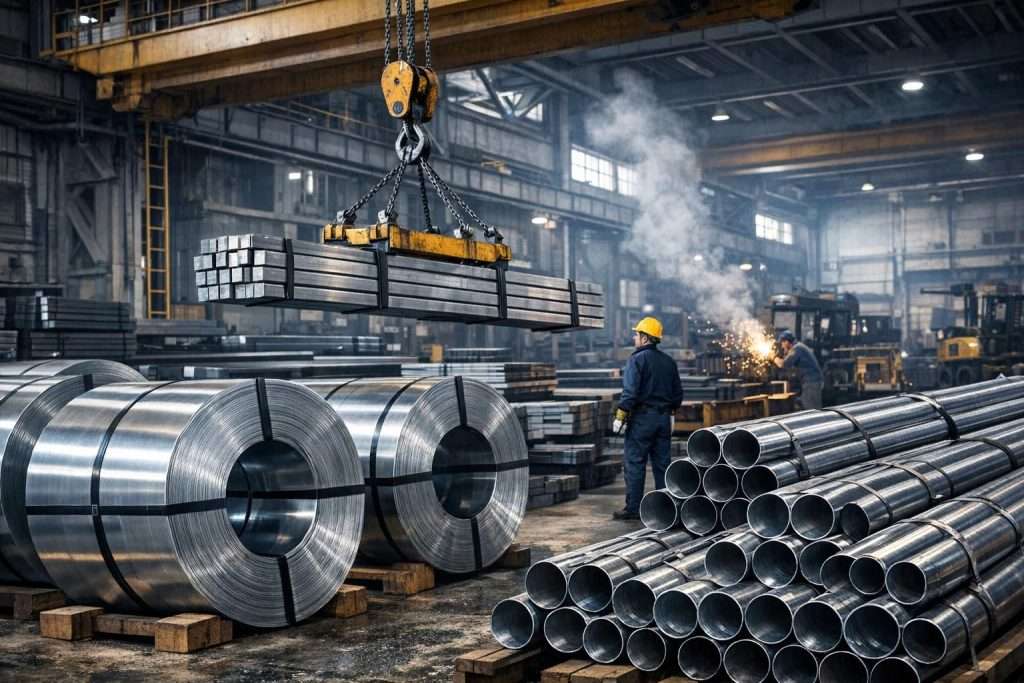
Steel Operational Strategy: Built to Withstand, Designed for Today
The steel industry isn’t for the faint of heart. Roaring blast furnaces, relentless market cycles, and geopolitical tremors—this sector demands discipline. At its core, a successful steel operational strategy is about facing up to reality, stripping down to what works, and then relentlessly executing. Forget the usual platitudes and vague “efficiency” mantras. This isn’t about making everyone happy; it’s about building real, lasting value in a volatile landscape.
Why Asset Discipline is the Backbone of Steel Strategy

Assets in the steel sector are not like assets in most other industries. We’re talking blast furnaces, rolling mills, coking plants—capital hungry, energy-devouring, and expensive to maintain. Taking a spartan, clear-eyed approach means admitting that under-utilized or obsolete assets aren’t just dead weight; they actively drag down your margins. This is a call for asset discipline, the spine of any solid steel operational strategy.
- Hard Questions First: Is this asset earning its keep—or just soaking up cash and attention?
- Redeploy, Shut, or Sell: If it’s not pulling its weight, decision-making must be swift, not sentimental.
- Strategic Overhauls: Upgrading a mill? Automate where it matters, modernize to meet emission standards, but never overextend.
The Burning Importance of Capacity Utilization in Steel
Every percentage point of capacity utilization steel impacts your bottom line. Low utilization doesn’t just cost you in lost output—it erodes trust with investors, weakens your negotiating power, and eats away at plant morale. An elite steel operational strategy obsesses about matching production to real, present demand—not “hoped for” future upticks.
- Run lean: Cutting production to match real orders isn’t admitting defeat—it’s protecting the business for the long haul.
- Ramp quickly: When the market rebounds (and it always does), a nimble operation swings back fast, before the competition.
- Track and benchmark: Know how your numbers stack up against global efficiency metrics.
Steel Asset Strategy: Balance, Resilience, and Agility

A modern steel asset strategy demands the precision of a general. You need to know exactly which assets are critical for flexibility, which can withstand a downturn, and which provide competitive edge. It’s about more than cost control—it’s about survival and future-proofing.
- Flex Assets: Do you have facilities that can switch product mix quickly? Flexibility is king when customer needs shift overnight.
- Resilience Hubs: Centralize critical operations at sites with stable energy, logistics, and labor inputs.
- Selective Growth: Avoid shotgun expansions. Target upgrades where they’ll cut emissions, boost speed, or open up new high-margin markets.
For more on structuring assets in the current market climate, check our steel benchmarking guide.
Market Reality: Reading Demand Without the Rose-Tinted Glasses
Don’t build your steel operational strategy around wishful forecasts. Real markets shift fast, affected by construction cycles, infrastructure approvals, and global trade disruptions. The spartan mindset? Accept what you cannot control, and double down on what you can.
- Use real demand signals. Customer contracts, port inventories, and finished goods levels tell the truth closer than most “expert” projections.
- Weigh every expansion or contraction against multiple demand scenarios—not just the optimistic baseline.
- Build in feedback loops: Set regular review points to test assumptions. The industry graveyard is littered with plants built for demand that never showed up.
Operational Agility: Pivoting Without Chaos

In steel, slow movers get flattened. Prices swing, regulations tighten, logistics get snarled. Operational agility—managing to flex, scale, or contract production on short notice—can separate survivors from casualties.
- Smarter Staffing: Cross-train crews, use contract labor judiciously, and avoid fixed costs that become anchors in downturns.
- Digitize: Live data tracking for inventory, order inflow, and machine health means you spot shifts before they hit the P&L.
- Modular Processes: Build production lines that can stop, start, and reroute with minimal downtime.
Agility isn’t chaos—it’s muscle memory. Drill the team on scenario plans and decision protocols until fast pivots become instinctive.
Strategic Partnerships and Sourcing: No Lone Wolves
Even the hardest-edged operations need allies. Partner smartly—especially in raw material sourcing, technology, and distribution. A disciplined steel operational strategy leverages partnerships for stability.
- Source regionally where possible. Shorter supply chains mean fewer surprises.
- Joint ventures in logistics or recycling can shore up weak spots without overextending capital.
- Technology sharing agreements—especially in emissions reduction—can prevent obsolescence without the cost of going it alone.
Strategic partners aren’t about sharing risk—they’re about boosting your odds of weathering the next storm.
Measurable Performance: Score What Matters

Spartan isn’t just a tone; it’s about metrics that matter. Don’t drown in dashboards—track the few KPIs that determine survival in steel:
- Capacity utilization: What percent of your equipment is earning its keep, week in, week out?
- Cash conversion cycle: How fast are you turning ore and scrap into money?
- Asset turn: Revenue per operating asset—a strict test of discipline.
- Energy intensity and emissions per ton: The world is watching; soon, regulators will be, too.
Publish these figures internally and externally, and tie incentives to improvements. Steel is a team sport—make the rules and the scoreboard clear.
Case Studies: When the Spartan Mindset Wins
Consider the cases where asset discipline and agile operations transformed struggling mills into success stories:
- A Southeast Asian producer shut two aging lines, redirected investment to its most efficient plant, and doubled market share in downstream automotive steel.
- A European supersite cut production at the trough of a market downturn, then pivoted overnight as demand roared back, locking in multi-year supply contracts ahead of slower rivals.
- An American mini-mill built strong partnerships with scrap suppliers and automakers, integrating digital systems that cut inventory and energy costs by over 20%.
In every case, the winning play was ruthless about underperforming assets, obsessive about capacity utilization, and dead serious about reading demand signals without illusion.
Conclusion: The Spartan Code for Steel Operational Strategy
Here’s the battle-tested rulebook. A winning steel operational strategy does three things—over and over, in every cycle, regardless of market noise:
- Treat your assets with discipline: shut, invest, or upgrade based on cold facts, not optimism.
- Chase capacity utilization, not just output: run lean, flex fast, and recover even faster.
- Stick to metrics that matter: make sure every part of the team can track—and influence—performance in real time.
The future of steel belongs to those who can face today’s challenges with clear eyes and make the hard calls. That’s not just good business; that’s survival.